

01
CFD Analysis
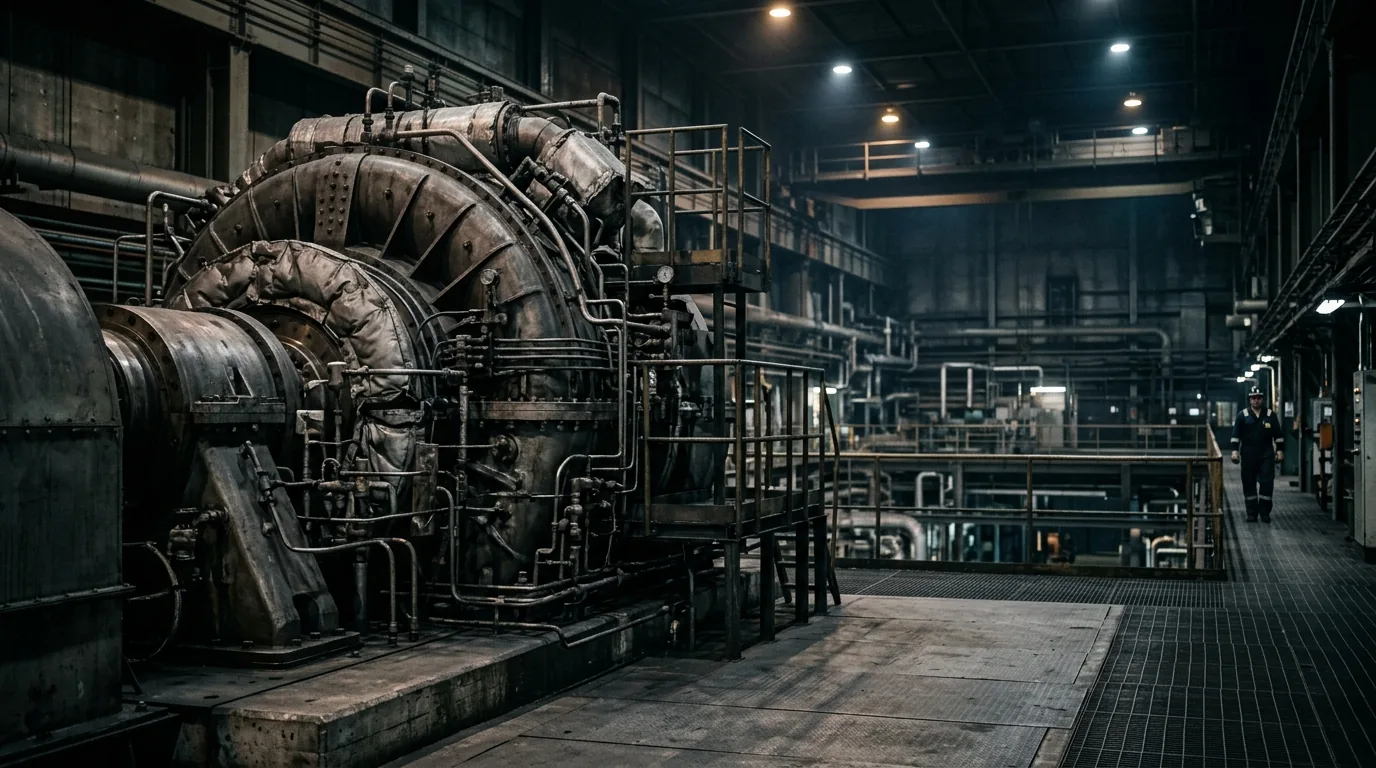
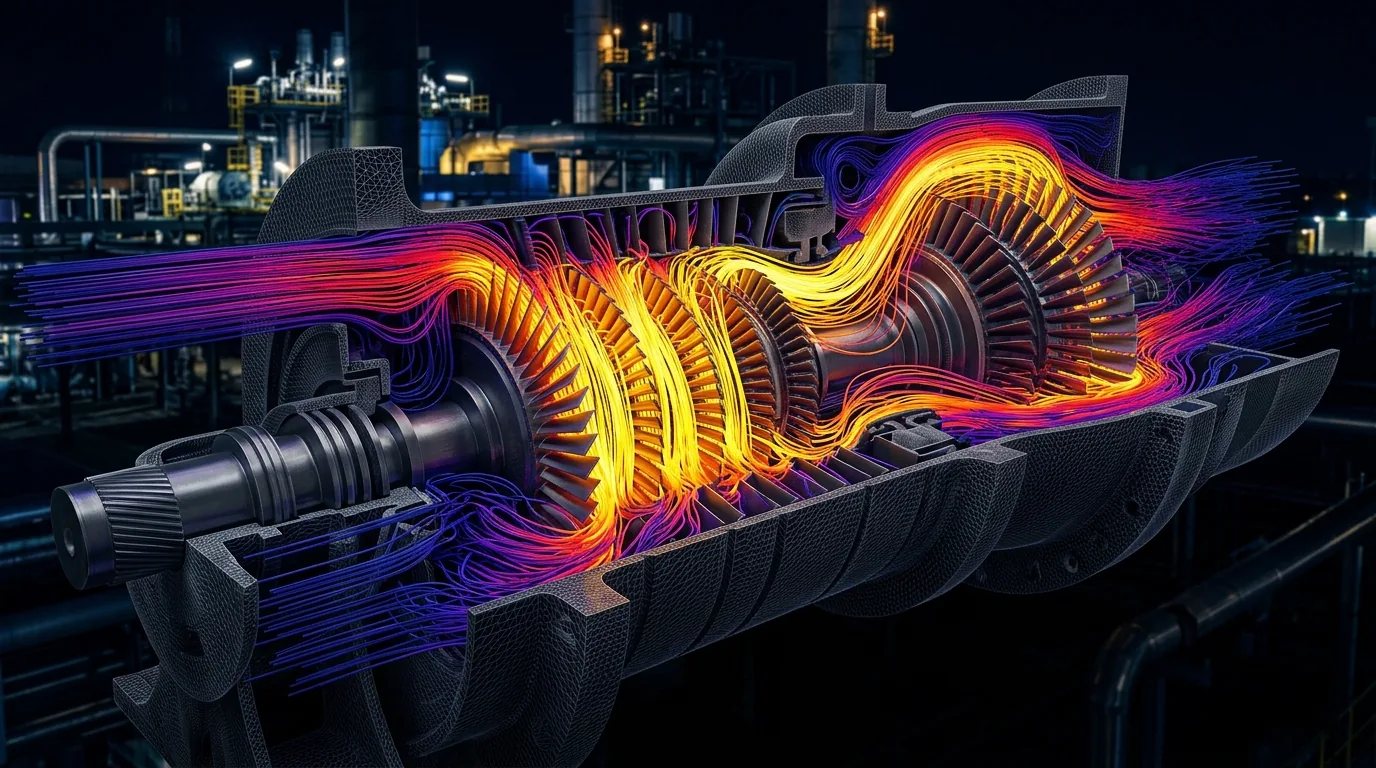
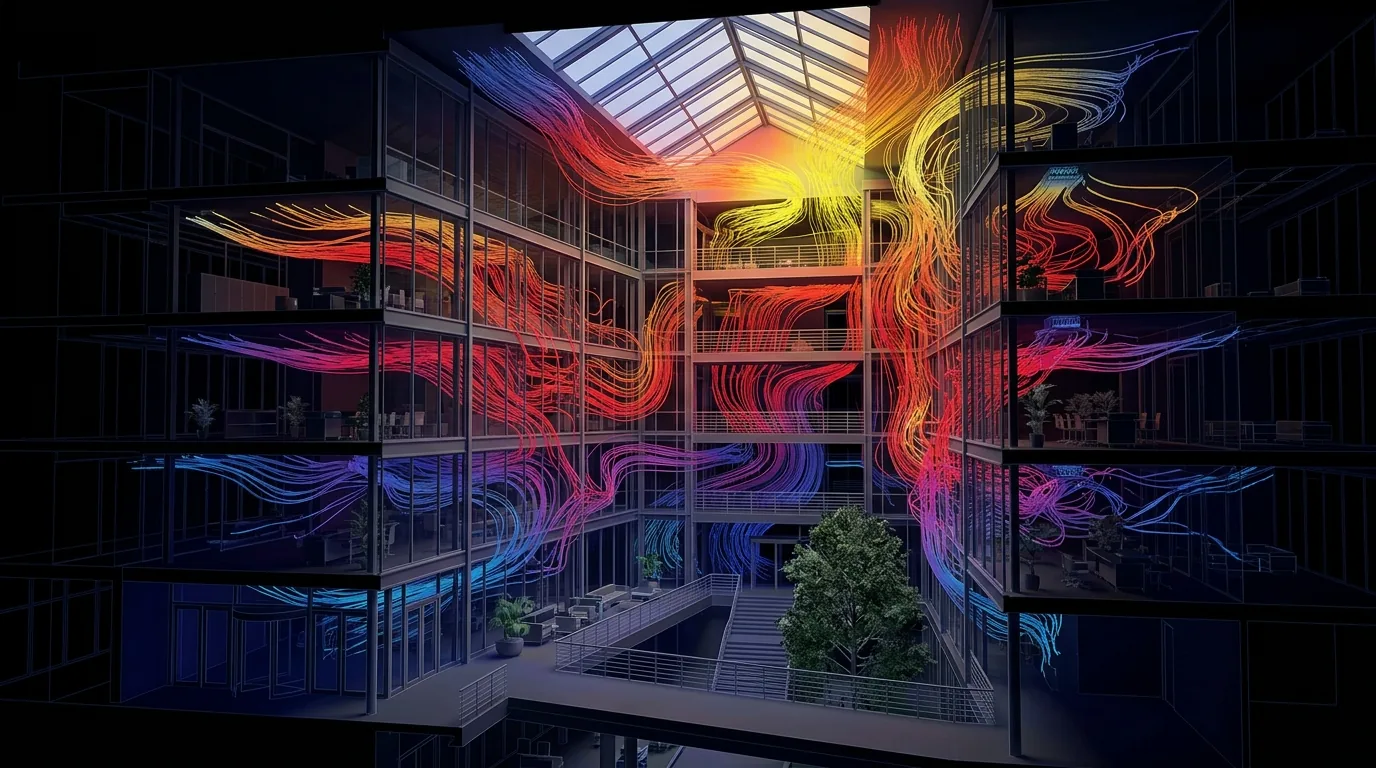
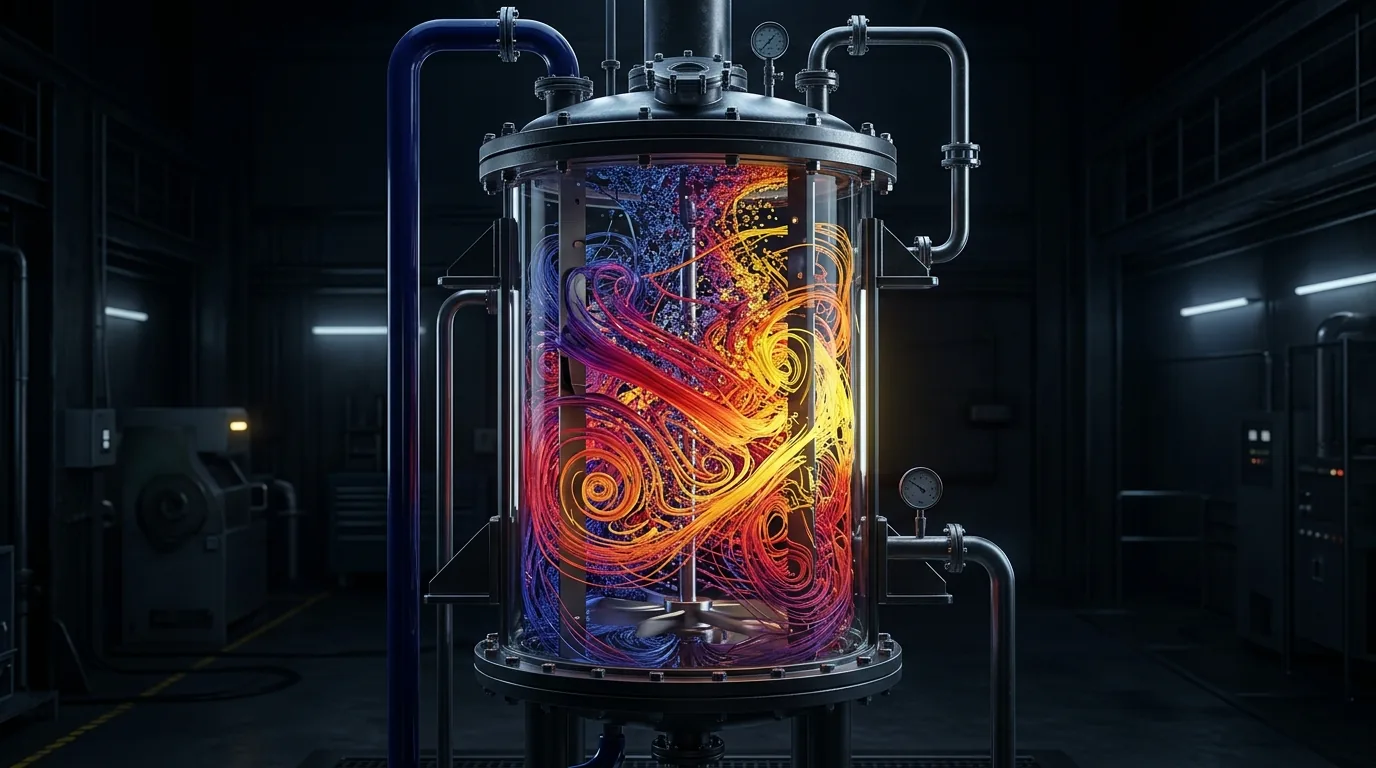
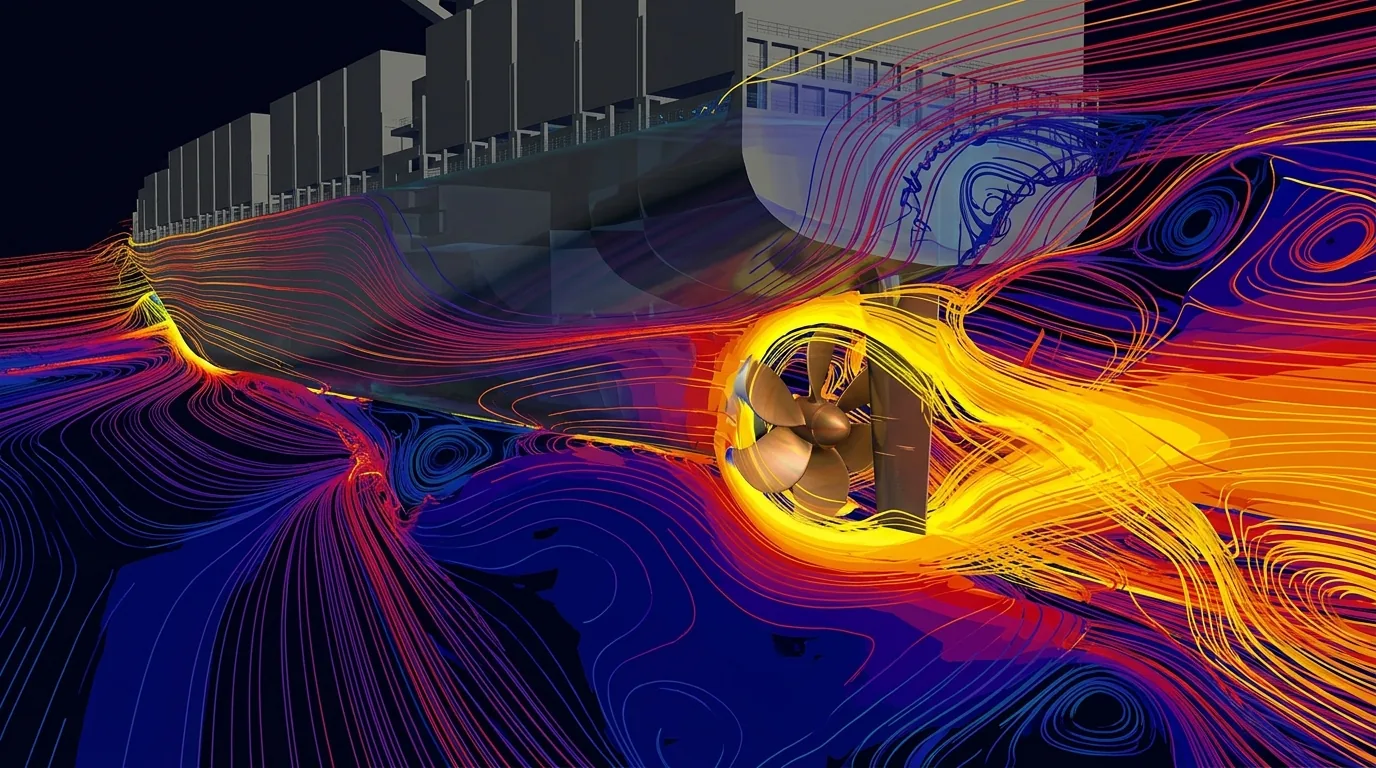
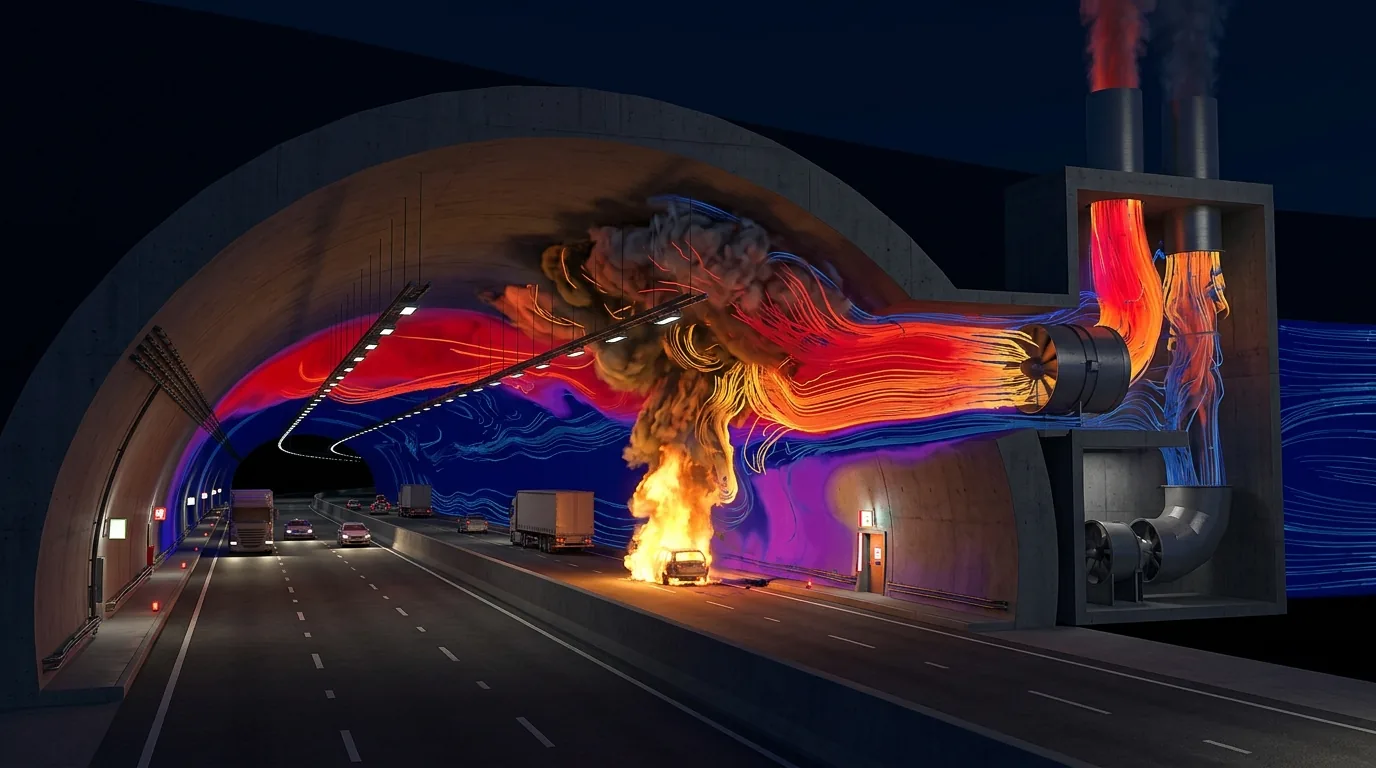
Internal and external flow, multiphase, combustion, turbomachinery. From incompressible to supersonic regimes; the approach is chosen to fit the problem.
Read moreDYNABLA is an engineering and consulting firm specialising in computational fluid dynamics and thermal analysis. We correlate results against measurement, state their uncertainty, and deliver them in a form that supports a decision.
Every service line runs the same way — define, model, solve, validate, report.
Internal and external flow, multiphase, combustion, turbomachinery. From incompressible to supersonic regimes; the approach is chosen to fit the problem.
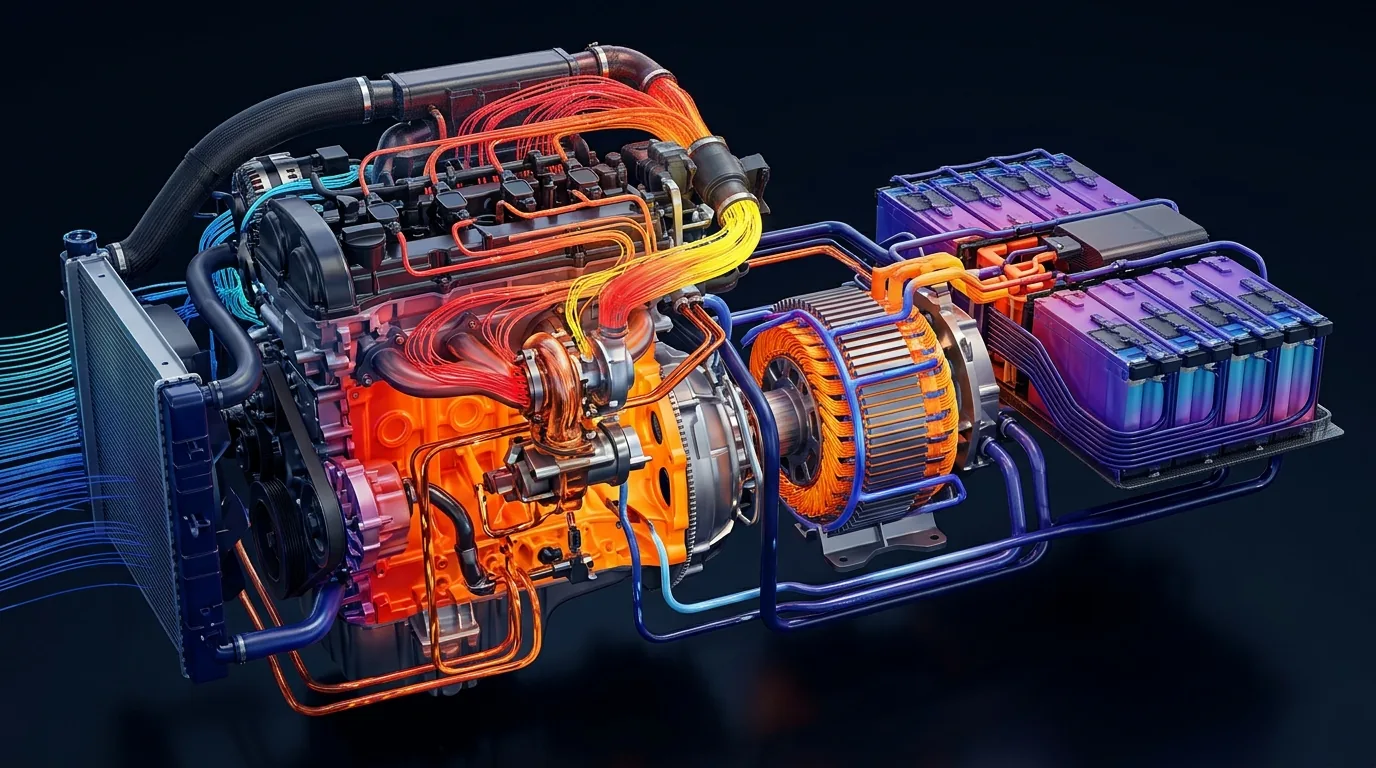
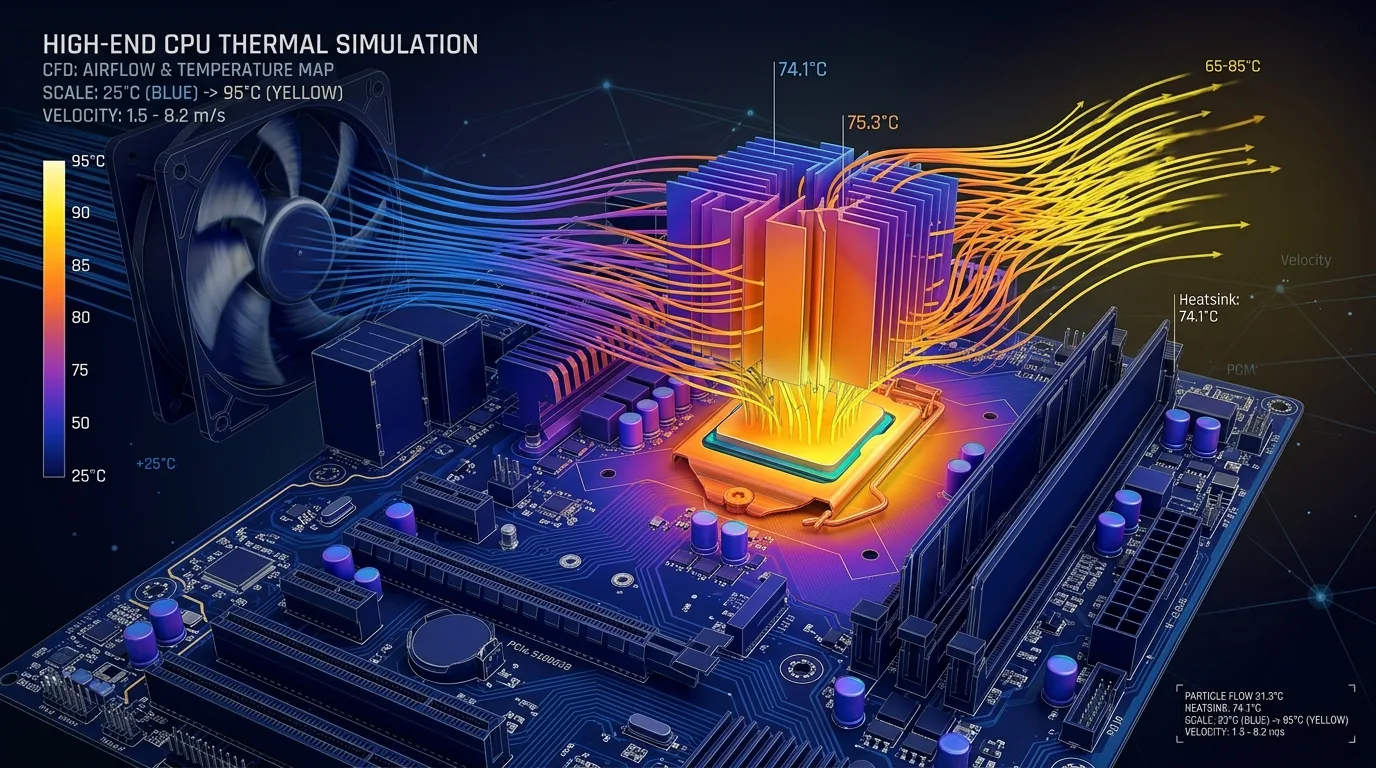
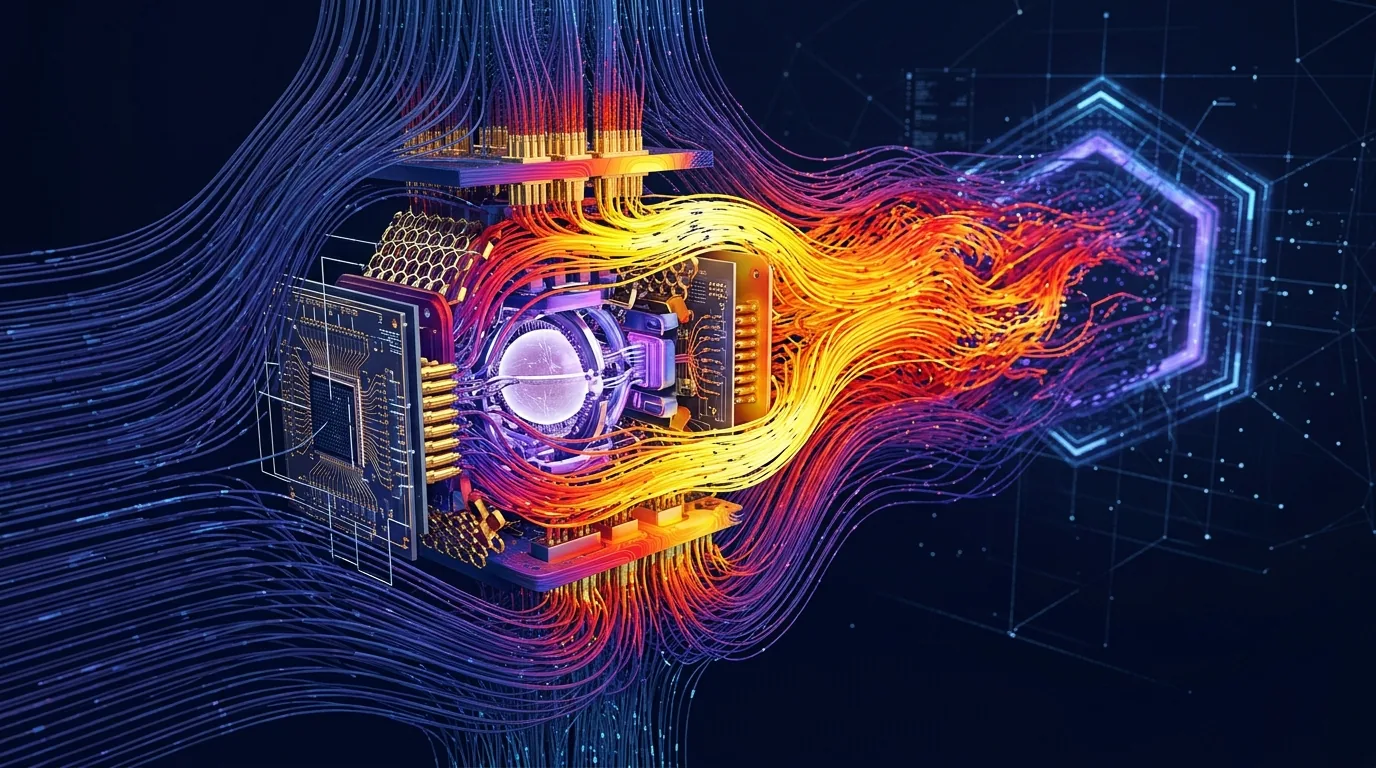
Read moreConjugate heat transfer (CHT), transient regimes, radiation, thermal management. Temperature and thermal stress from component to system over the duty cycle.
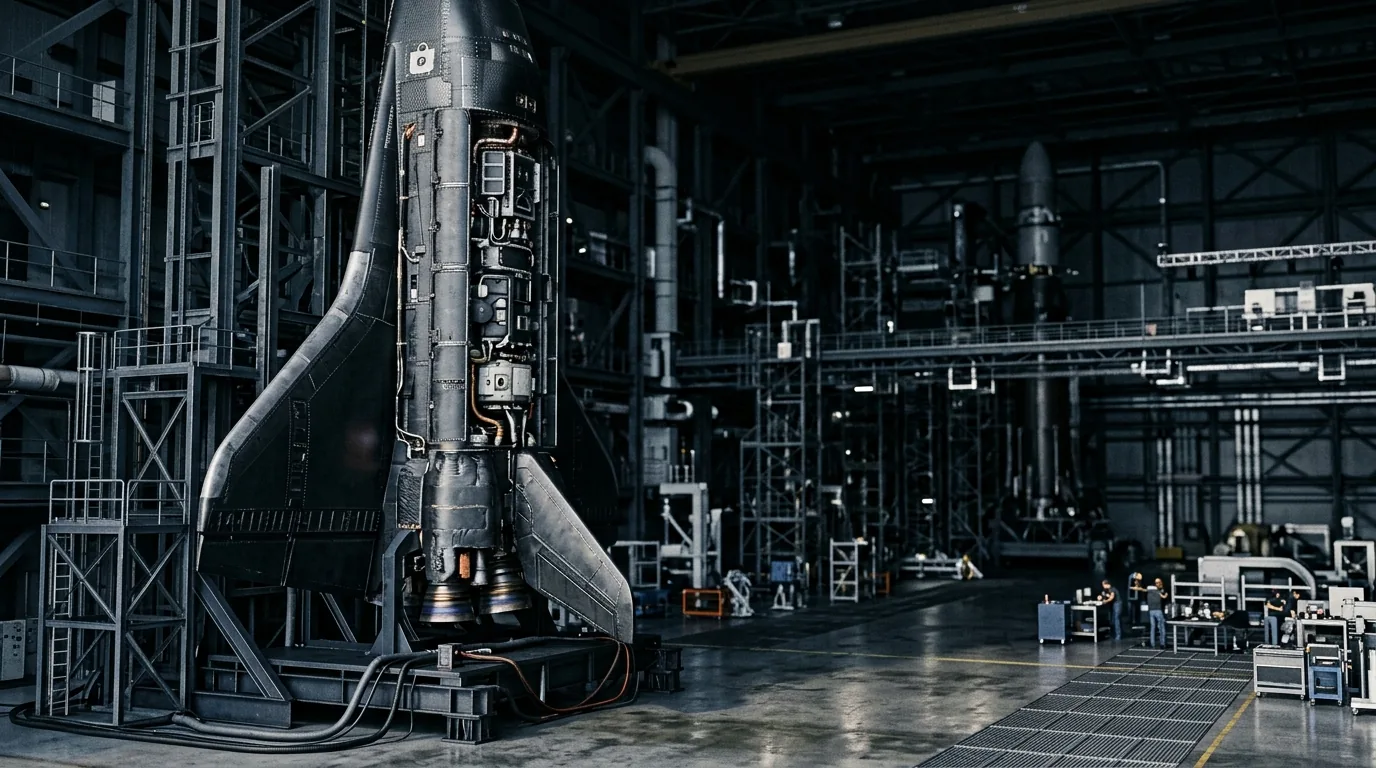
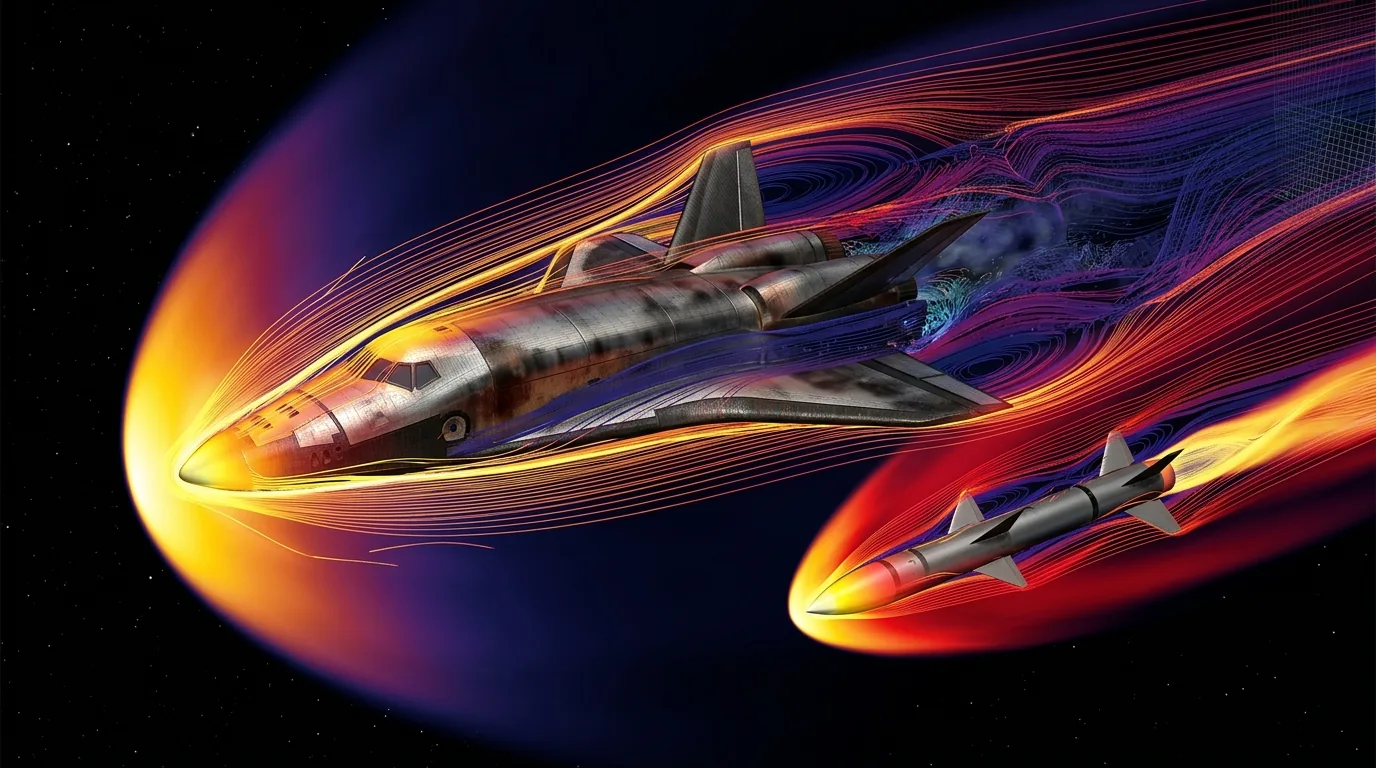
Read moreAerodynamic heating, thermal protection system (TPS) and ablation modelling, plume interaction and base heating. Flight-phase thermal environments for high-speed vehicles.
Read moreHeat pipe, metal foam, plate and shell-and-tube designs with performance analysis; waste heat recovery, boilers and power plant equipment.
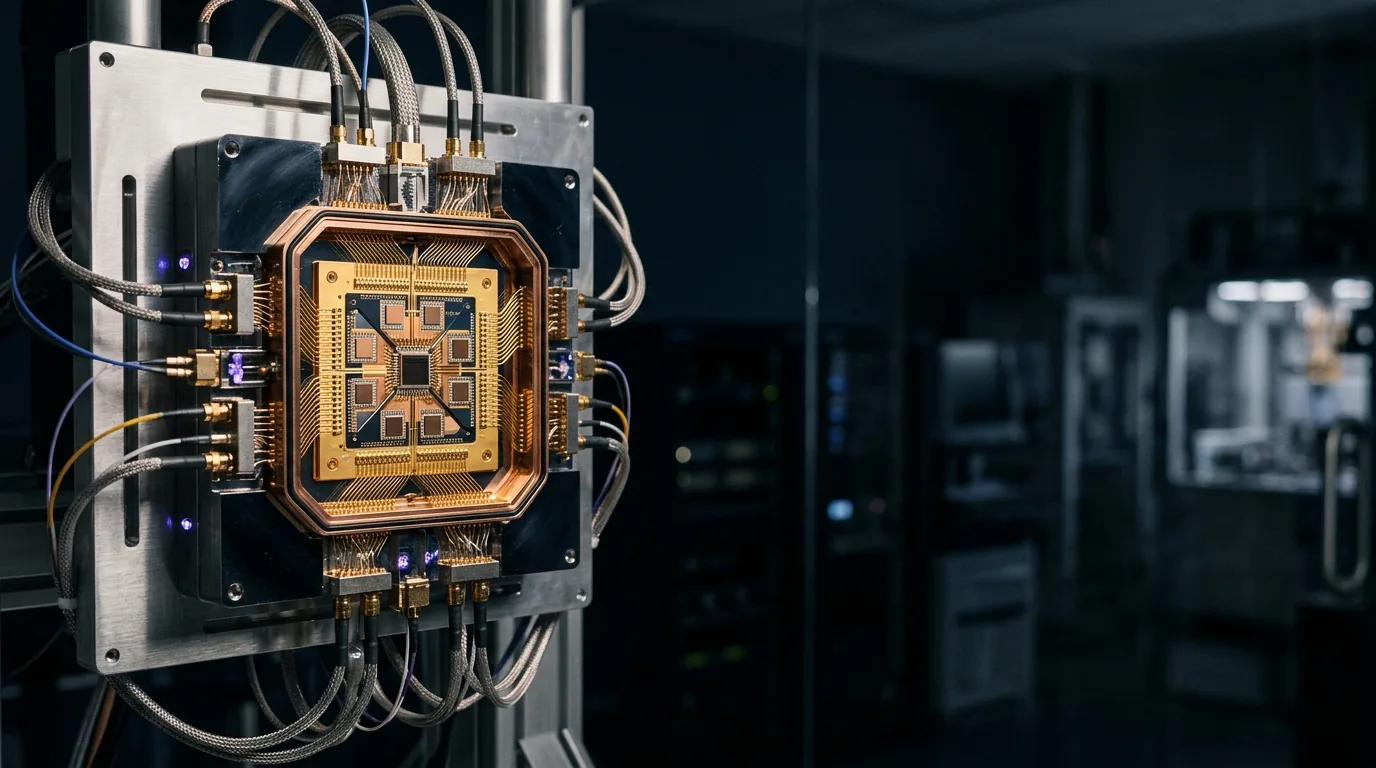
Read moreFrom board and component level up to cabinet and data centre scale; battery packs, power electronics, transformers and cold plates.
Read moreCorrelating simulation against measurement, validating supplier test data, and reverse-engineering geometry by laser scanning where no CAD exists.
Read moreDesign of experiments (DOE), parametric studies and surrogate models; end-to-end automation of the simulation workflow.
Read moreFrom domestic appliances to industrial machinery and field equipment: flow, temperature, humidity and energy performance computed during design.
Read moreBuilding in-house CFD and thermal analysis capability; establishing a standard for method, validation and reporting. Independent review, second opinion and support in writing technical specifications.
Read moreWe do not change the method to suit the project. What changes is the physics model and the acceptance criteria — not the sequence.
The problem, assumptions and success criteria are agreed in writing.
Geometry is cleaned up, the mesh is built and grid independence is demonstrated. The physics model is chosen and justified.
Convergence is monitored and conservation balances checked.
Every job starts from a method already validated against measurement on comparable problems.
A detailed report sets out the strengths, the weak points and the improvement potential of the product or system, in language a non-specialist can follow.
The physics is the same; what changes is the boundary conditions, acceptance criteria and standards.
A converged solution is not the same as a correct one.Without grid independence and validation, a number is a number — not an answer.
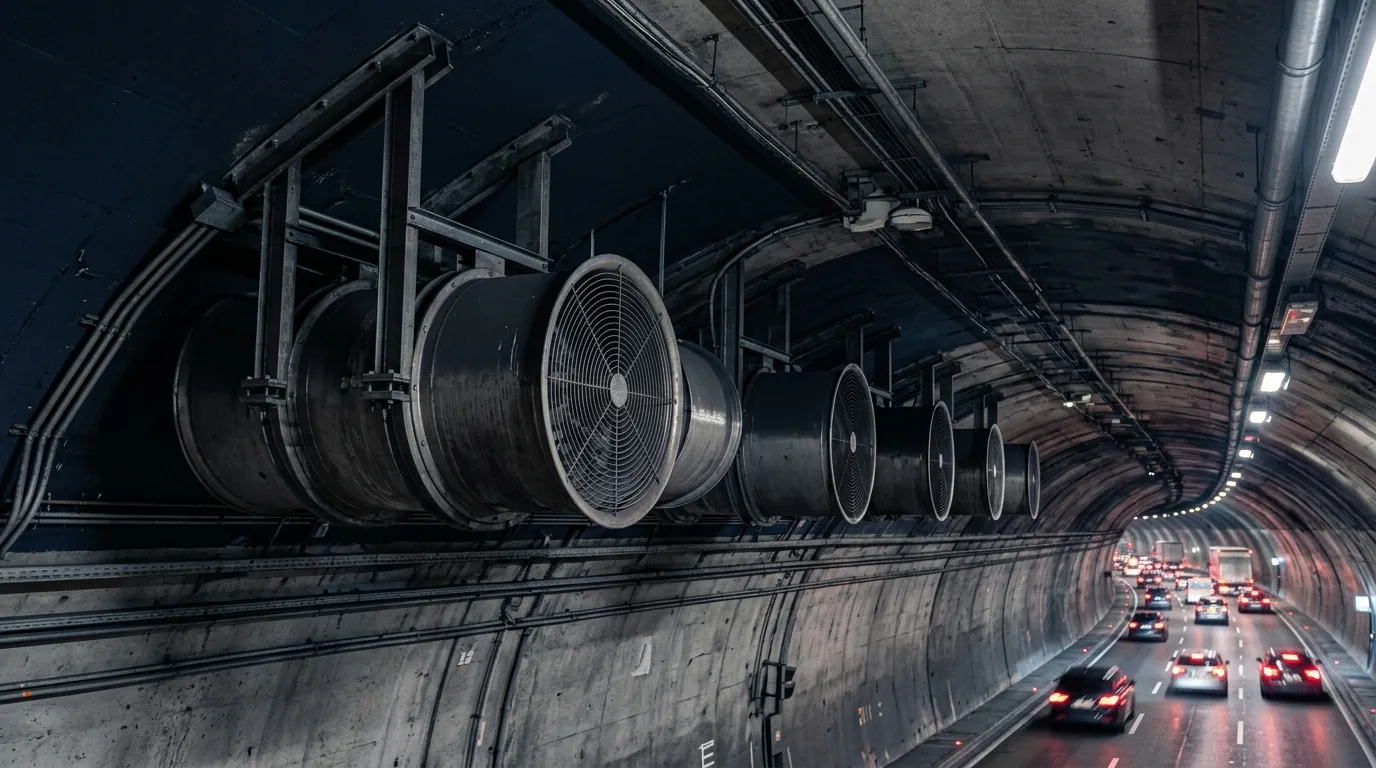
Axial fan, six operating points. Correlated against supplier test data; worst deviation 3.1%.
Let us pin down together the system to be analysed and the question that needs answering.